
How Jazz Composers Can Expand Their Audience Online

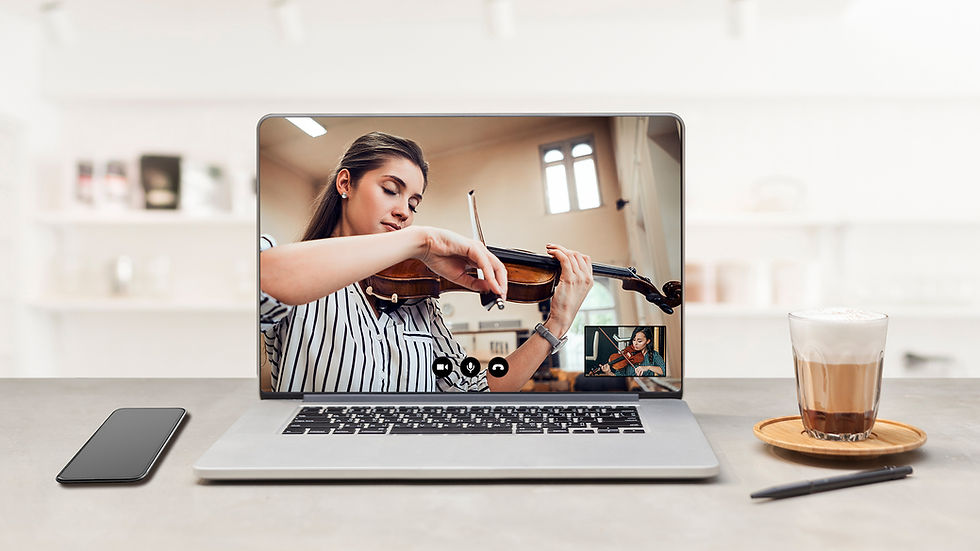
For jazz composers today, growing an audience is no longer limited to live performances, print catalogs, or regional networks. The digital world has opened new pathways for composers to share their music, connect with listeners, build professional visibility, and generate income. With streaming platforms, online publishing tools, and social media outreach, jazz composers can reach global audiences without relying solely on traditional industry gatekeepers.
However, expanding an online audience requires strategy. Many talented composers struggle because they don’t know which platforms to use, how to present their work effectively, or how to build a consistent digital presence. At Bridgewater Publishing Company, we help composers enhance their online visibility and adapt to the evolving landscape of digital music promotion. This guide outlines practical steps jazz composers can take to build an engaged online audience and strengthen their professional footprint.
Why Online Growth Matters for Jazz Composers
Visibility is a form of currency. When your music reaches the right listeners—directors, performers, educators, and fans—it can lead to:
Increased performances of your compositions
More sales of printed charts
Licensing opportunities
Direct commissions
Educational contracts or clinics
Stronger relationships within the jazz community
Long-term career sustainability
In a genre as rich and diverse as jazz, online visibility helps composers stand out and connect with audiences who value original and authentic work.
Step 1 – Build a Professional Online Identity
Before promoting your work, you need a clear and consistent online identity. Your digital presence should reflect your musical style, professionalism, and artistic mission.
Create a Composer Website
A website is the centerpiece of your online presence. It should include:
Biography
High-quality photos
Listening samples or embedded tracks
Score previews
Catalog of works
Videos of performances
Contact information
A press or media kit (optional but valuable)
Your website signals that you take your craft seriously and makes it easier for directors, educators, and performers to explore your music.
Define Your Artistic Identity
our artistic identity is what sets you apart.
Consider how you describe yourself:
Are you a big band writer?
Do you focus on small ensemble compositions?
Do you blend jazz with other genres?
Are you active in educational composition?
Clear identity leads to clearer marketing and a stronger online brand.
Step 2 – Use Social Platforms Strategically
Social media can introduce your work to new listeners, musicians, publishers, and directors. But strategy matters.
Select the Right Platforms
Jazz composers benefit most from:
YouTube (performances, demonstrations, score videos)
Instagram (short clips, rehearsal moments, behind the scenes)
Facebook (educational communities, director groups)
LinkedIn (professional networking)
TikTok (short-form musical insights and creative clips)
Selecting platforms based on your goals ensures better engagement.
Share Meaningful Content
Posting consistently is important, but quality matters even more.
Effective content includes:
Score preview videos
Short clips of new compositions
Recording session highlights
Educational tips
Behind-the-scenes arranging or writing moments
Performances by school ensembles
Commentary on your creative process
Sharing value-driven content attracts musicians and educators who appreciate your expertise.
Step 3 – Publish Your Music Online
Composers cannot rely solely on physical or print distribution; digital platforms make it easier for musicians everywhere to find your work.
Offer Your Music Digitally
Your printed charts should be available as:
PDFs through your website
Digital distribution platforms
Publisher-hosted libraries
Online composer marketplaces
Digital availability increases accessibility and sales potential.
Provide Professional-Level Score and Recording Samples
Directors and performers want to hear and see what they are buying.
Samples should include:
Score preview pages
High-quality audio or video
Clear descriptions of style and difficulty
Solo section details
Instrumentation
Clear presentation improves your chances of a purchase or performance.
Step 4 – Engage with the Educational Community Online
Educational ensembles are a major audience for jazz composers. Many directors rely on online tools and forums to discover new music.
Join Educational and Composer Forums
These communities allow you to share your work, interact with directors, and receive feedback.
Examples include:
Jazz education groups
Band director forums
Composer networks
Online arranging communities
Active participation builds recognition and trust.
Offer Value to Educators
Educational directors appreciate composers who understand classroom and ensemble needs.
Offer content such as:
Tips for teaching swing phrasing
Suggestions for improvisation
Sample educational materials
Explanations of genre-specific techniques
This positions you as both a composer and an educator.
Step 5 – Create Recording and Video Content
Recordings and videos are essential for building an online audience. They allow listeners to engage with your music immediately.
Use Score Videos
Score videos pair your notated music with audio recordings. They are especially popular on YouTube.
Benefits:
Directors can evaluate your writing quickly
Musicians can follow along visually
Viewers can appreciate both score and performance
Record Live Performances
Live performance videos showcase authenticity and demonstrate how your music functions in real-world settings.
Useful content includes:
University ensemble performances
Studio sessions
Jazz festival recordings
Rehearsal run-throughs
These recordings build credibility and provide reference material.
Step 6 – Optimize for Search and Visibility
Online discovery matters. Composers should take advantage of search optimization strategies.
Use Keywords in Your Content
Include terms related to:
Jazz composition
Big band writing
Ensemble music
Jazz education
Specific jazz styles
These keywords help directors and performers find your work.
Add Descriptions to Videos and Posts
Provide clear, detailed descriptions so audiences understand what they are hearing or viewing.
Step 7 – Build Direct Relationships Online
Online audience growth is strongest when personal connections are formed.
Ways to build relationships:
Respond to comments
Share other musicians’ content
Offer constructive feedback
Collaborate on small online projects
Thank ensembles who perform your work
Relationship-building increases loyalty and long-term engagement.
Step 8 – Develop Long-Term Online Content Strategies
Growing an online audience is not a single event; it requires consistency. Composers should develop sustainable content plans.
Examples of long-term strategies:
Weekly composition or arranging insights
Monthly score releases
Behind-the-scenes recording coverage
Educational series for students
Annual digital concerts or premieres
Consistency builds recognition and positions you as a committed professional.
How Bridgewater Publishing Supports Online Growth
Bridgewater Publishing Company helps jazz composers grow their online presence through:
Catalog development
Professional score preparation
Recording and video guidance
Publishing representation
Visibility within the jazz community
Access to educational networks
Strategic marketing advice
We understand both the musical and digital sides of composition and offer composers long-term support to grow their careers.
FAQs
Do I need a website?
Yes. A website provides a central hub for your catalog, recordings, and professional information.
Is social media important for jazz composers?
Yes. It expands your reach and connects you with musicians, educators, and collaborators.
Do I need high-quality recordings? Yes. Directors rarely consider a piece without hearing a recording.
How often should composers post online? Consistency is key. Even one or two posts per week can grow your audience.
Does Bridgewater Publishing assist with online promotion?
Yes. We guide composers in building their digital identity and promoting their music effectively.
Next Steps
Growing your audience online is one of the most powerful ways to advance your career as a jazz composer. By building a professional online identity, sharing high-quality content, engaging with educators and performers, and distributing your music digitally, you can expand your reach far beyond local networks. Bridgewater Publishing Company is committed to supporting composers through every stage of their digital and professional development.


Comments