
Discover the Diversity of Jazz Music

Jazz is a world of sound that never ceases to amaze me. Its rich history and vibrant evolution have created a tapestry of styles that appeal to a wide range of listeners. Whether you are drawn to the smooth rhythms of swing or the complex improvisations of bebop, jazz offers something unique for every ear. Today, I want to take you on a journey through the diverse jazz styles that have shaped this incredible genre.
Exploring Diverse Jazz Styles
Jazz is not a single sound but a collection of styles that have developed over more than a century. Each style reflects different cultural influences, historical moments, and artistic innovations. Here are some of the most influential and exciting jazz styles you should know about:
New Orleans Jazz: The birthplace of jazz, characterized by collective improvisation and a lively, upbeat tempo. Think of brass bands and street parades.
Swing: Popular in the 1930s and 1940s, swing features big bands and danceable rhythms. It’s the style that made jazz a household name.
Bebop: A complex and fast-paced style that emerged in the 1940s. Bebop focuses on virtuosic solos and intricate melodies.
Cool Jazz: A more relaxed and smooth style that contrasts with bebop’s intensity. It often features softer tones and slower tempos.
Hard Bop: A return to blues and gospel roots, hard bop adds emotional depth and groove to bebop’s technicality.
Free Jazz: An avant-garde style that breaks traditional rules, emphasizing spontaneous improvisation and experimental sounds.
Fusion: A blend of jazz with rock, funk, and electronic music, fusion emerged in the late 1960s and continues to evolve.
Each of these styles offers a different listening experience. Exploring them helps deepen your appreciation for the genre’s versatility and creativity.

What is an example of a jazz song?
When I think about iconic jazz songs that showcase the genre’s diversity, a few classics come to mind. For example, "Take Five" by Dave Brubeck is a perfect introduction to cool jazz. Its unusual 5/4 time signature and smooth piano melody make it instantly recognizable and accessible.
On the other hand, "So What" by Miles Davis represents modal jazz, a style that uses scales rather than chord progressions to create a more open and exploratory sound. This track from the album Kind of Blue is a masterpiece of subtlety and mood.
For a taste of bebop, "A Night in Tunisia" by Dizzy Gillespie offers fast-paced, intricate melodies and energetic rhythms. It’s a challenging but rewarding listen that highlights the technical skill of jazz musicians.
These songs are just starting points. Each style has countless gems waiting to be discovered, and listening to them will enrich your understanding of jazz’s vast landscape.

How to Appreciate and Explore Jazz Music
Appreciating jazz music goes beyond just listening. It’s about understanding the context, the musicians’ intentions, and the emotions conveyed through their instruments. Here are some tips to deepen your jazz experience:
Listen Actively: Focus on individual instruments and how they interact. Notice the improvisations and how themes develop.
Learn the History: Knowing the background of jazz styles and key artists adds layers of meaning to the music.
Attend Live Performances: Jazz is a live art form. Seeing musicians improvise in real-time brings the music to life.
Explore Different Eras: From early New Orleans jazz to modern fusion, each era offers unique sounds and stories.
Join Communities: Online forums, local jazz clubs, and social media groups can connect you with fellow enthusiasts and provide recommendations.
By engaging with jazz on multiple levels, you’ll find your appreciation growing and your playlist expanding.

The Role of Jazz in Contemporary Music
Jazz continues to influence many modern genres, from hip-hop to electronic music. Its emphasis on improvisation and rhythm has inspired countless artists worldwide. Contemporary jazz musicians often blend traditional elements with new sounds, creating fresh and exciting compositions.
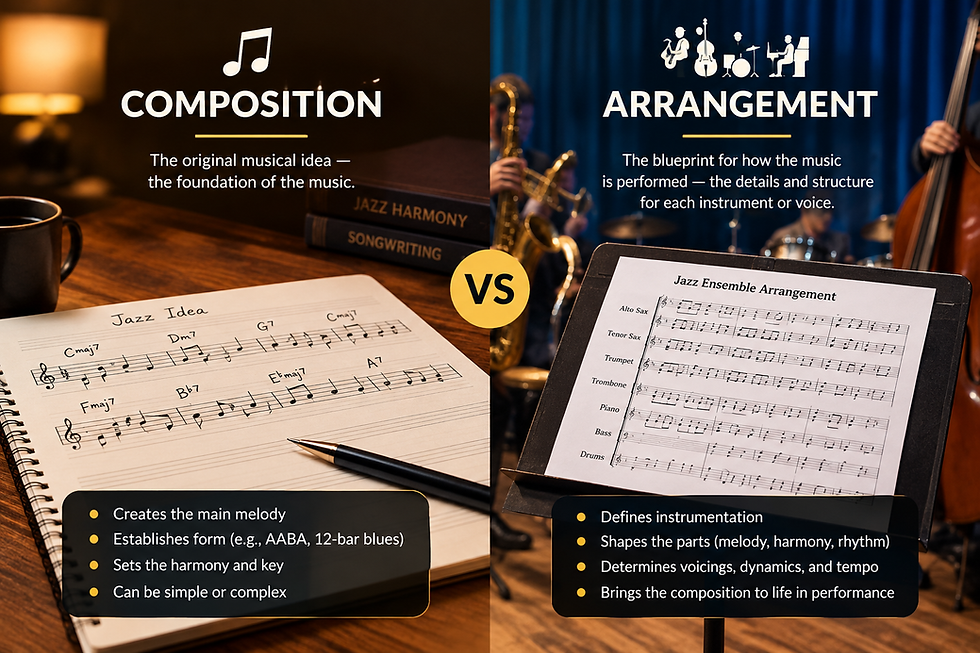
For those interested in high-quality jazz music compositions and arrangements, it’s important to recognize how this fusion of old and new keeps the genre vibrant. Whether you prefer classic standards or innovative experiments, jazz offers endless possibilities for creativity.
If you want to explore more about jazz music and its evolving styles, I recommend visiting this blog for insightful articles and resources.
Embracing the Journey of Jazz Discovery
Jazz is a journey, not a destination. Every listen reveals something new, every style opens a different door. By embracing the diversity of jazz styles, you enrich your musical world and connect with a tradition that celebrates freedom, expression, and innovation.
Keep exploring, keep listening, and let the rhythms and melodies of jazz inspire you every day. Whether you’re a seasoned fan or just starting out, the world of jazz has something extraordinary waiting for you.
Thank you for joining me on this exploration of diverse jazz styles. I hope you feel inspired to dive deeper into this incredible genre and discover your own favorites along the way.


Comments